
LeishGenR™ detects drug-resistance markers in Leishmania infantum before treatment starts.
LeishGenR™ is a genetic test for drug-resistance biomarkers in clinical samples from dogs. Your lab runs it under licence, with our protocols, training and analysis support. Already commercialised by UranoVet in Spain and Portugal, and by MyLav in Italy and the rest of Europe.
Why resistance testing matters
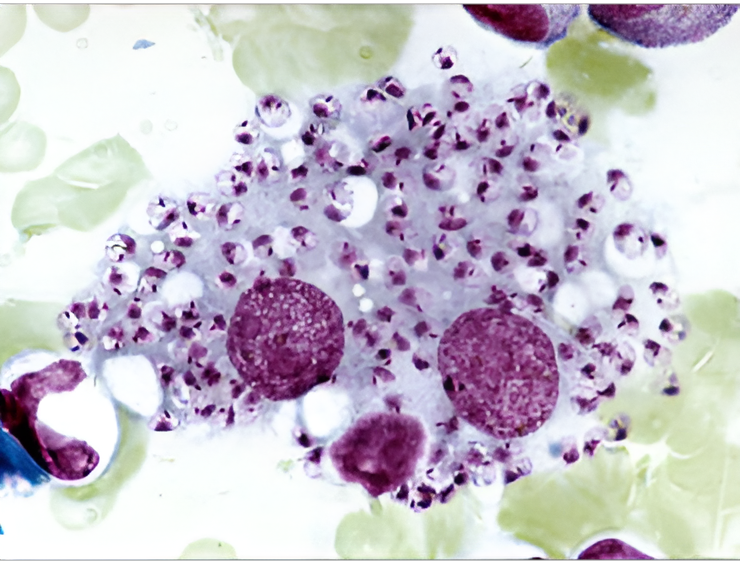
Canine leishmaniosis is treated with a small set of drugs, and relapses are common. When the parasite carries resistance markers, the first treatment may not work, and time is lost.
A resistance result helps the vet choose the treatment and plan follow-up, and gives your lab a test that clinics cannot get elsewhere.
sick dogs in our studies carries drug-resistance markers.
What the LeishGenR™ test detects
Genetic drug-resistance biomarkers
A panel of genomic markers found in our Leishmania genome cohorts and linked to resistance to miltefosine, antimonials and allopurinol.
Directly from clinical samples
No parasite culture needed. Works on lymph node, peripheral blood, bone marrow, synovial fluid, skin biopsies and conjunctival swabs from dogs with leishmaniosis.
A clear report for the vet
Each marker reported as present or absent, with an interpretation the clinic can act on.
LeishGenR™, from sample to treatment decision
Digital PCR assays for the LeishGenR™ markers
qPCR and digital PCR
Alongside the qPCR version, we have developed digital PCR (dPCR) assays for the same resistance biomarkers. dPCR splits each sample into thousands of separate reactions and counts the positive ones, which brings clear advantages for Leishmania samples.
qPCR
One reaction, read against a curve
dPCR
Thousands of partitions, counted
Low parasite loads
Works with few parasites, so less invasive samples such as peripheral blood can be used.
Absolute quantification
Counts target copies directly, with no standard curve to prepare or calibrate.
Precise marker measurement
Measures small differences in marker copy number that qPCR cannot resolve reliably.
Comparable between labs
Results compare well from one laboratory to another.
qPCR results are published in BMC Veterinary Research.
dPCR results are in press in Parasites & Vectors. Ask us about running the dPCR assays in your lab.
LeishGenR™, validated in a peer-reviewed study
dogs in the validation study
specificity
sensitivity
What your lab gets with a LeishGenR™ licence
-
Technology transfer
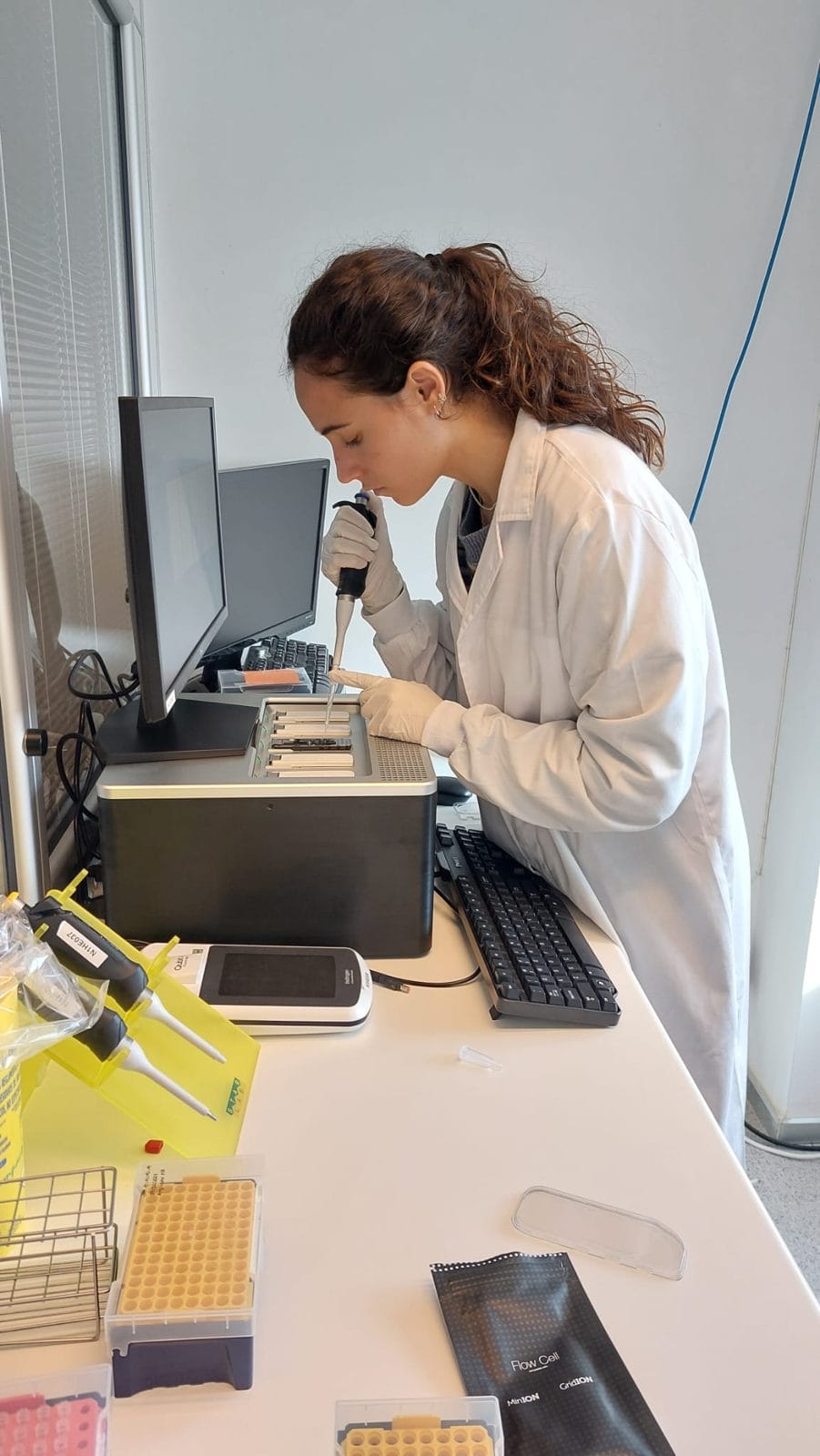
Protocols, reagents list and set-up in your lab.
-
Training
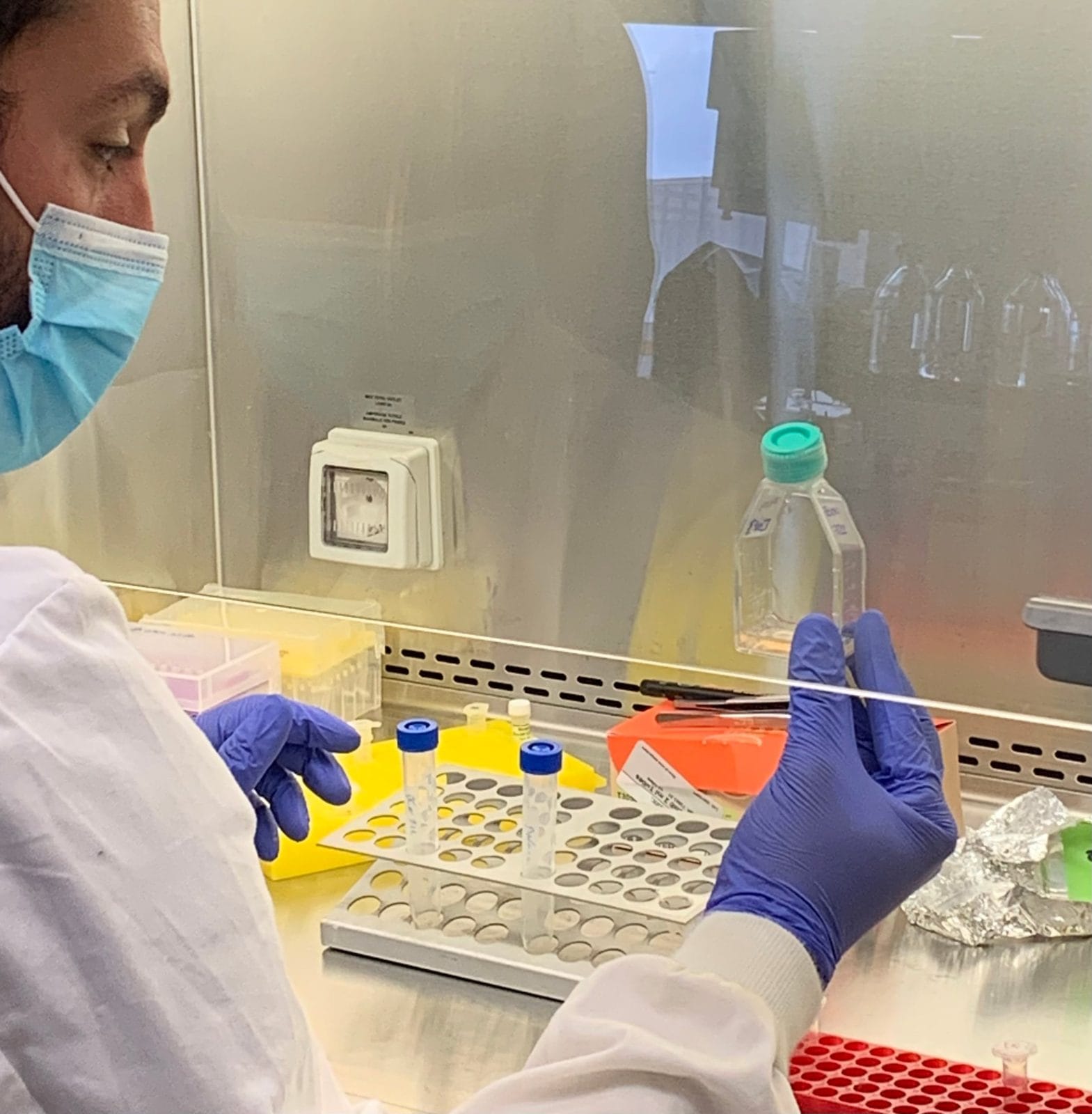
Hands-on training for your technicians.
-
Analysis support
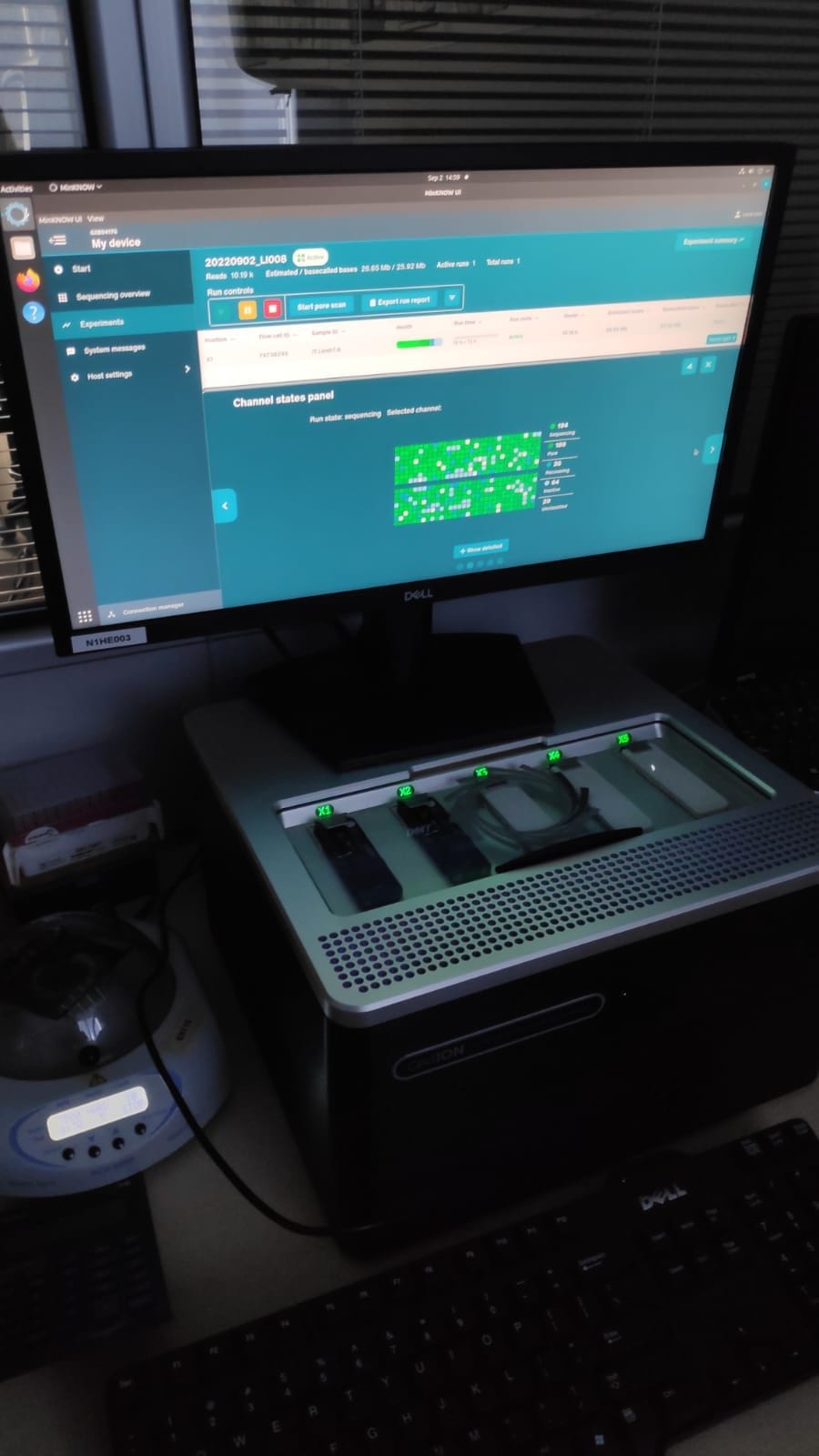
Interpretation and reporting help from our bioinformaticians.
-
New markers
Updates as new biomarkers are validated in our cohorts.
Request a LeishGenR™ licence discussion
Tell us about your lab and region. We reply within 2 working days.