
Nanopore genomes reveal drug-resistance and virulence profiles in Mediterranean Leishmania infantum
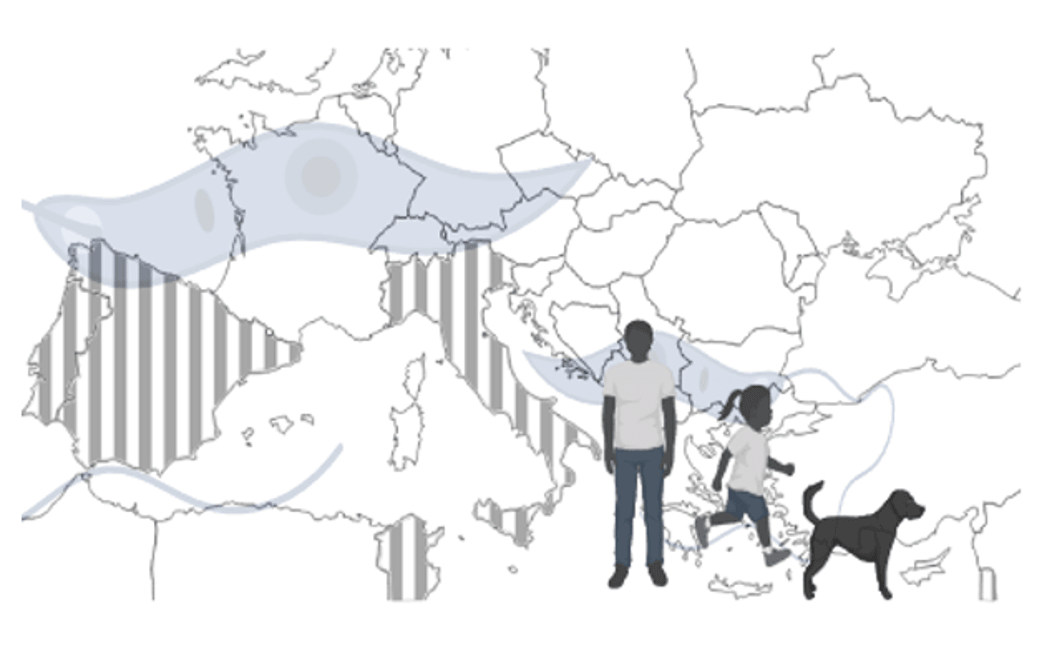
We have published in Parasites & Vectors the results of long-read whole-genome sequencing with Oxford Nanopore technology of 35 Leishmania infantum isolates from the Mediterranean region, 22 from dogs and 13 from humans.
Using an automated analysis platform, we studied 22 genes whose copy-number variation has been described as a biomarker of drug resistance (15 genes) or virulence (7 genes).
The isolates showed variation both at chromosome level (aneuploidies) and at gene level (copy-number variation). At least one drug-resistance biomarker was found in 80% of them. Resistance profiles tended to depend on the host: biomarkers linked to allopurinol and meglumine antimoniate predominated in dogs, and those linked to antimonials and paromomycin in humans.
This basic research laid the foundations for the next step: a clinical diagnostic tool that detects resistance biomarkers directly in clinical samples such as blood, lymph node, bone marrow and lesional tissue. That tool is LeishGenR™.
Reference: Carrasco-Martín M, Martí-Carreras J, Gómez-Ponce M, Alcover MM, Roura X, Ferrer L, … Francino O. Insights on genomic profiles of drug resistance and virulence in a cohort of Leishmania infantum isolates from the Mediterranean area. Parasites & Vectors 19(1): 28 (2025).
Questions about this news? Write to info@nano1health.com.